

Ever feel like you're just going through the motions? Like life is a series of tasks you tick off without really being there? You're not alone. In today's fast-paced world, finding moments of calm and presence can be a challenge. But what if I told you that incorporating simple mindful habits into your daily routine could make a world of difference? These habits help anchor you in the present, making your day feel more intentional and less rushed. So, let's explore how you can start living a more mindful life, one small habit at a time.
Key Takeaways
- Mindful mornings set the tone for a more focused and calm day.
- Eating with awareness can transform meals into moments of gratitude.
- Incorporating mindful movement like yoga or walking can boost both physical and mental health.
- Mindful breathing is a quick and effective way to reduce stress and stay grounded.
- Ending the day with a mindful routine can lead to better sleep and relaxation.
Embracing Mindful Mornings
Setting Intentions for the Day
Every morning is a fresh start, a chance to set the tone for the day. As soon as we wake up, before diving into our phones or emails, it's helpful to pause and breathe. Setting an intention for the day can align our actions with our deeper motivations. We can ask ourselves questions like, "How do I want to show up today?" or "What quality do I want to nurture?" This practise isn't about perfection but about guiding our day with purpose. Throughout the day, we can check in with ourselves, reminding ourselves of our intentions and observing how they influence our interactions and mood.
Mindful Breathing Techniques
Breathing is something we do without thinking, yet it's a powerful tool for mindfulness. In the morning, taking a few deep breaths can help us centre ourselves. Sit comfortably, close your eyes, and breathe deeply in through your nose and out through your mouth. Feel the rise and fall of your chest. This simple act can ground us, bringing our focus back to the present moment whenever our mind starts to wander. It's a way to start the day with calm and clarity.
Creating a Morning Ritual
A morning ritual doesn't have to be elaborate. It can be as simple as stretching, making the bed, or enjoying a cup of tea. The key is to engage fully in these activities. When we stretch, we can focus on the sensation of our muscles waking up. Making the bed can become a mindful task if we pay attention to the texture of the sheets and the act of smoothing them out. Even drinking tea can be a moment of mindfulness if we savour each sip, noticing its warmth and taste. These small rituals can transform mundane tasks into moments of mindfulness, setting a peaceful tone for the rest of the day.
Cultivating Mindful Eating Habits

Savouring Each Bite
In our fast-paced world, eating often becomes just another task on our to-do list. We rush through meals, barely noticing the flavours and textures. But what if we slowed down? Savouring each bite can transform eating into a richer, more fulfilling experience. By focusing on the taste, smell, and texture of our food, we can enjoy our meals more and feel satisfied with less.
- Pause before eating: Take a moment to breathe deeply and centre yourself before you start your meal.
- Engage your senses: Notice the aroma, colours, and textures of your food. Take small bites and chew slowly.
- Reflect on the experience: Consider how the food makes you feel and the memories it evokes.
Eating mindfully allows us to connect with our body's true hunger signals, helping us make healthier choices and appreciate the nourishment we receive.
Mindful Meal Preparation
The process of preparing food can be just as mindful as eating it. By focusing on the task at hand, we can find joy and relaxation in cooking.
- Set the scene: Create a calm environment in your kitchen. Play soft music or enjoy the silence.
- Be present: Focus on each step of the process, from chopping vegetables to stirring a pot. Notice the sounds, smells, and textures.
- Express gratitude: Take a moment to appreciate the ingredients and the effort it takes to prepare a meal.
The Art of Slow Eating
Eating slowly is not just about digestion; it's about experiencing food fully. When we eat slowly, we give our bodies time to signal fullness, reducing overeating.
- Chew thoroughly: Aim to chew each bite at least 20 times. This helps break down food and aids digestion.
- Put down your utensils: Between bites, place your fork or spoon down to pace yourself.
- Take breaks: Pause during your meal to assess your hunger and fullness levels.
Incorporating these practises into our daily routine can transform meals from a rushed necessity into a mindful celebration of nourishment and connection.
Incorporating Mindful Movement
Yoga and Tai Chi Practises
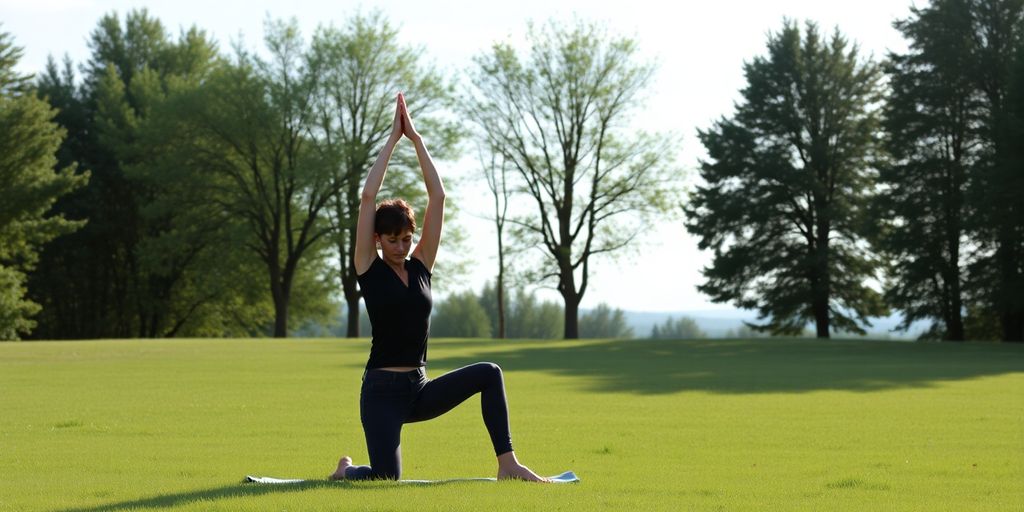
When we think about mindful movement, yoga and tai chi often come to mind. These ancient practises are not just about physical exercise but about connecting with our inner selves. Yoga and tai chi encourage us to focus on each movement and breath, helping us become more aware of our bodies. We don’t need to be experts to start. Just find a quiet space, roll out a mat, and let your body guide you. Feel the stretch, notice the balance, and appreciate the calmness that follows. With each session, we can discover new ways our body moves and feels.
Mindful Walking Techniques
Mindful walking is about slowing down and paying attention to each step. Instead of rushing from point A to B, let’s take a moment to feel the ground beneath our feet. Notice the rhythm of our steps, the sway of our arms, and the air around us. It’s not about the destination but the journey. As we walk, we can observe the colours of the sky, the sounds of nature, or even the bustling city life. This practise helps us anchor ourselves in the present, giving our minds a break from the constant chatter.
Stretching with Awareness
Stretching isn’t just for warming up or cooling down; it’s a chance to tune into our bodies. We can start by taking a deep breath and focusing on a particular muscle group. Feel the tension release and the muscle lengthen. Whether it’s a gentle neck roll or a full-body stretch, being aware of how our body moves can be incredibly grounding. We can use this time to check in with ourselves, noticing any stress or tightness and gently working through it. Stretching with awareness can be a simple yet powerful way to reconnect with our physical selves.
Mindful movement is about more than just exercise; it’s about creating a dialogue with our bodies. By engaging in practises like yoga, tai chi, or even a simple walk, we can cultivate a deeper sense of presence and well-being. Embracing these movements allows us to explore our physical and mental landscapes, leading to a more balanced life.
To deepen our practise, we might consider exploring The Mindfulness Toolkit, which offers exercises and meditations that complement mindful movement beautifully. These resources can enhance our journey towards a more mindful and present life.
Harnessing the Power of Mindful Breathing
Breathing is something we do every moment of our lives, yet we often overlook its potential to calm our minds and bodies. By focusing on our breath, we can anchor ourselves in the present moment, reducing stress and enhancing our overall well-being. Let's explore some mindful breathing techniques that can transform our daily routine.
Deep Breathing Exercises
Deep breathing is a simple yet effective way to bring mindfulness into our lives. Here's how we can practise it:
- Find a comfortable position, either sitting or lying down.
- Close your eyes if you feel comfortable doing so.
- Inhale deeply through your nose, allowing your belly to expand.
- Hold your breath for a few seconds.
- Exhale slowly through your mouth, letting your belly fall.
- Repeat this process for a few minutes, focusing on the sensation of breath entering and leaving your body.
This exercise can be particularly helpful during stressful moments, helping us to regain calm and clarity.
Breath Awareness Meditation
Breath awareness meditation is about observing our breath without trying to change it. We can do this anywhere, anytime:
- Sit comfortably and close your eyes.
- Notice the natural rhythm of your breath.
- Pay attention to the rise and fall of your chest or the sensation of air passing through your nostrils.
- If your mind wanders, gently bring your focus back to your breath.
Regular practise can improve our concentration and bring a sense of peace to our daily lives.
Using Breath to Anchor the Mind
Our breath can be a powerful anchor, especially when life feels overwhelming. We can use it to ground ourselves:
- When we feel scattered, take a moment to pause.
- Focus on three deep, intentional breaths.
- Allow the rhythm of your breathing to bring you back to the present.
In a world full of distractions, our breath serves as a constant, reliable friend, guiding us back to the here and now.
By incorporating these mindful breathing practises into our daily routine, we can cultivate a more present and peaceful life. For those looking to deepen their practise, resources like the Positran Mindfulness Cards offer guided activities to enhance our awareness and focus.
Developing a Mindful Evening Routine
Reflective Journaling Practises
As the day winds down, let's take a moment to reflect. Journaling in the evening is like having a little chat with ourselves. We jot down what went well, what could've been better, and what we learned. It's not about writing a novel—just a few lines to capture the essence of our day. This practise helps us process our thoughts and emotions, making it easier to let go of the day's stress. It's a simple way to clear our minds and prepare for a restful night.
If you are looking for a journal to use with prompts for action, have a look at the Inspire Action Journal.
Unwinding with Meditation
Meditation in the evening is our time to unwind. We find a quiet spot, sit comfortably, and focus on our breath. It's okay if our mind wanders; we just gently bring it back to the present moment. This practise helps us release the tension we've built up throughout the day. We might even use a guided meditation app or listen to calming music. The goal is to relax and let go of any lingering worries.
Preparing for Restful Sleep
Before we hit the hay, we can set the stage for a good night's sleep. We dim the lights, maybe light a candle, and turn off screens at least an hour before bed. Creating a calming environment signals to our body that it's time to wind down. We might even incorporate some gentle stretches to release any physical tension. As we lie in bed, we take a few deep breaths and think of something we're grateful for, letting positive thoughts carry us into sleep.
"In the quiet moments before sleep, we find a space to breathe, to reflect, and to simply be. It's our time to let go and embrace the peace of the night."
By incorporating these mindful evening practises, we nurture our mental wellbeing and set the tone for a peaceful night's rest. It's about creating a routine that feels right for us, one that brings calm and balance to our lives. For more tools to enhance our personal wellbeing, we might explore The Personal Wellbeing Toolkit to support us on this journey.
Integrating Mindfulness into Daily Tasks
Mindful Listening and Communication
In our fast-paced world, conversations often become a race to speak rather than a chance to truly listen. By practising mindful listening, we can transform how we connect with others. Mindful listening means giving our full attention to the speaker, without planning our response while they are talking. This can be challenging, but it allows us to understand and empathise better. Next time we're in a conversation, let's try to pause, breathe, and really hear what the other person is saying. We might be surprised at how much more meaningful our interactions become.
Focusing on Single-Tasking
Multitasking is often seen as a badge of honour, but it can actually scatter our attention and reduce effectiveness. Embracing single-tasking, or dedicating our focus to one task at a time, can significantly enhance our productivity and satisfaction. Here's how we can start:
- Prioritise tasks and tackle them one by one, resisting the urge to switch back and forth.
- Set specific time blocks for each task, allowing ourselves to dive deep without interruptions.
- Use tools like timers or apps to keep us on track and remind us to stay focused.
By committing to single-tasking, we can complete tasks more efficiently and with greater quality.
Transforming Chores into Mindful Moments
Chores might seem mundane, but they offer a perfect opportunity to practise mindfulness. Whether we're washing dishes, folding laundry, or tidying up, we can turn these activities into moments of presence. Instead of rushing through chores, let's try to:
- Focus on the sensations involved, like the warm water on our hands or the texture of the fabric.
- Breathe deeply and slowly, using each chore as a mini meditation.
- Reflect on the positive aspects of completing these tasks, such as creating a clean and welcoming environment.
By approaching chores with mindfulness, we can transform them from tedious tasks into opportunities for calm and reflexion.
Practising mindfulness in everyday tasks doesn't require extra time—just a shift in how we approach our daily routines. By integrating mindfulness into our listening, working, and even household chores, we can cultivate a more present and fulfilling life.
To enhance our journey, resources like The Wellbeing Journal can offer structured guidance and inspiration, helping us maintain mindfulness throughout our daily activities.
Exploring Mindful Nature Connections
Forest Bathing Experiences
Forest bathing, or 'shinrin-yoku', is more than just a walk in the woods. It's about immersing ourselves in the natural world, letting the sights, sounds, and smells of the forest envelop us. We let go of our thoughts and simply be present. The rustle of leaves, the chirping of birds, and the whisper of the wind all become part of our mindfulness practise. This isn't just relaxing; it's a way to connect deeply with nature and ourselves.
Observing Natural Surroundings
When we take a moment to observe the world around us, we notice things we usually overlook. The delicate patterns on a leaf, the intricate dance of a butterfly, or the gentle sway of grass in the breeze. Observing these details not only grounds us but also enriches our appreciation for the world. It's a reminder of the beauty in simplicity.
Connecting with the Elements
Connecting with the elements means feeling the earth beneath our feet, the warmth of the sun on our skin, the cool breeze against our face, and the sound of water flowing. Each element offers a unique sensory experience that can ground us in the present moment. We might:
- Feel the texture of the soil or sand with our hands.
- Listen to the rhythm of rain tapping against leaves.
- Smell the fresh scent of earth after a rain shower.
Taking time to connect with nature is like pressing a reset button for our minds. It reminds us that we are part of something larger, something beautiful and enduring. Let's make it a habit to step outside, breathe in the fresh air, and let nature be our guide to mindfulness.
For those interested in enhancing their mindfulness journey, resources like the Positran Mindfulness Cards offer guided activities to enhance your insights to deepen your practise.
Conclusion
So, there you have it. Mindfulness isn't some mystical, out-of-reach practise. It's about being present, right here, right now. Whether it's taking a moment to breathe deeply, savouring each bite of your meal, or simply noticing the world around you, these small habits can make a big difference. Life's busy, we all know that, but squeezing in a few mindful moments can really change how you feel day-to-day. Give it a go, see what works for you. And remember, it's not about being perfect, just about being present. Cheers to a more mindful life!
Frequently Asked Questions
What is mindfulness?
Mindfulness is about paying attention to the present moment without judging it. It's noticing your thoughts, feelings, and surroundings as they are.
How can I start practising mindfulness?
Begin by setting aside a few minutes each day to focus on your breathing. Notice the rise and fall of your chest and bring your attention back when your mind wanders.
Why is mindful eating important?
Mindful eating helps you enjoy your food more and can improve digestion. It involves paying full attention to the taste, texture, and smell of your food.
Can mindfulness help with stress?
Yes, mindfulness can reduce stress by helping you stay calm and focused. It allows you to respond thoughtfully rather than react impulsively.
What are some easy mindfulness exercises?
Simple exercises include deep breathing, mindful walking, and observing your surroundings without judgement. These can be done anywhere, anytime.
How does mindfulness affect mental health?
Mindfulness can improve mental health by increasing self-awareness and reducing negative thoughts. It helps create a sense of peace and balance.